The Great Cinematic Disconnect: Why Box Office Realities Keep Shocking the Hollywood Elite
If you take a step back and look at the modern box office, you will notice a glaring chasm opening up between what critics demand and what audiences actually crave. One thing that immediately stands out to me right now is how the latest weekend box office results completely shatter any predictable formula Hollywood tries to cling to. We are living through an era of cinema where traditional metrics of success and failure are getting thoroughly flipped on their heads, leaving industry analysts scratching their heads.
What makes this particularly fascinating is how effortlessly a movie can completely defy critical slaughter while a heavily anticipated competitor quietly tanks. From my perspective, this isn't just about a couple of random box office numbers fluctuating over a weekend; it is a profound symptom of a shifting cultural landscape where the old rules of engagement simply do not apply anymore. Let us dive into what these recent box office numbers are actually trying to tell us about the psychology of modern moviegoers.
The Iron Law of the Marketing Hook
Personally, I think the absolute triumph of Other Mommy over this past weekend is a masterclass in modern consumer behavior. Even with critics absolutely savaging the film and handing down a flurry of terrible reviews, the movie pulled in an impressive $29 million—crashing right past early predictions by a massive ten-million-dollar margin. Why did this happen? What many people don't realize is that in an era flooded with endless content, a phenomenal, high-concept trailer can entirely bypass the traditional gatekeeping of critical consensus.
This raises a deeper question about modern attention spans and marketing power. When a preview hits all the right psychological buttons, horror fans in particular do not care what a pretentious review site has to say; they want the communal thrill ride on opening night. However, a detail that I find especially interesting—and perhaps darkly hilarious—is the abysmal D+ audience reaction score it pulled. This massive gap between rushing out to buy a ticket and walking out deeply disappointed suggests a fascinating paradox: the marketing department won a brilliant victory, even if the movie itself left audiences feeling empty. It proves that anticipation is often a much more powerful economic driver than actual satisfaction.
When Big Budgets Collide with Total Apathy
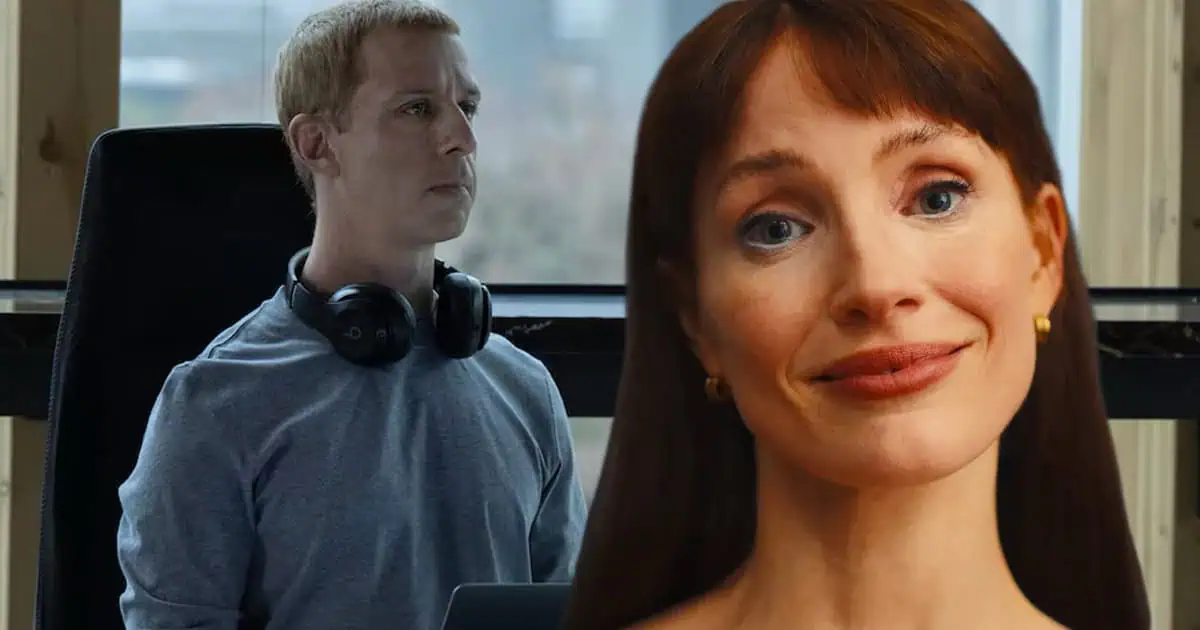
On the complete flip side of the coin, look at what happened with The Social Reckoning. In my opinion, its dismal $6 million opening weekend is a stark reminder that you cannot simply force cultural relevance into a cinematic container. What this really suggests is that audiences have developed an ultra-sensitive radar for artificial, forced timeliness. When a movie tries too hard to capture a cultural moment without genuine storytelling magic, people simply refuse to show up.
- The Streaming Squeeze: Because of this weak opening, I would honestly be shocked if we didn't see this title pushed to PVOD platforms within a matter of weeks. Studios are learning the hard way that they cannot afford a protracted theatrical bleed for mid-tier misfires.
- The Budget Safety Net: Luckily for the studio, keeping production costs relatively modest at around $30 million means they won't face absolute financial ruin, but the reputational sting is undeniable.
- The Death of Passive Viewing: Audiences today will not leave their houses for a mediocre premise just because it's playing on a big screen; the theatrical experience now demands an event status.
The True Cost of Cinematic Gambles
If you want a true case study in modern financial disaster, look no further than Digger, which is currently experiencing a brutal 60% drop and staring down a historic multi-million-dollar loss. What this tells me is that the era of the bloated, high-risk blockbuster gamble is gasping for its final breath. Yet, in spite of the catastrophic numbers, I find myself holding onto a strange speculation: give it a few years, and this exact kind of grand misfire often develops a passionate, ironic cult following on internet forums.
From my perspective, people love a glorious trainwreck just as much as they love a masterpiece. There is a strange cultural fascination with films that swing for the fences and miss by a mile, turning monumental failures into midnight movie legends down the road. It reminds us that cinema history isn't just written by pristine, critically acclaimed classics; it is heavily shaped by the bizarre, expensive swings that completely missed the mark.
Where Do We Go From Here?
Ultimately, looking at how titles like Resident Evill and Heart of the Beast quietly hold down the middle tier while major new releases either overperform or implode tells a bigger story about where we are heading. Moviegoing has become hyper-polarized. People are either showing up in droves for high-adrenaline hooks that promise an immediate emotional jolt, or they are staying home entirely, waiting for the safety of their living room couches.
What this ultimately implies for the future of the industry is a necessary, albeit painful, recalibration of risk. Studios are going to have to realize that you cannot buy an audience's love with a massive budget or fool them with a clever marketing trick twice. Until Hollywood truly understands that modern viewers value authenticity and raw experience over formulaic packaging, we are going to keep seeing these wild, whiplash-inducing weekends at the box office.