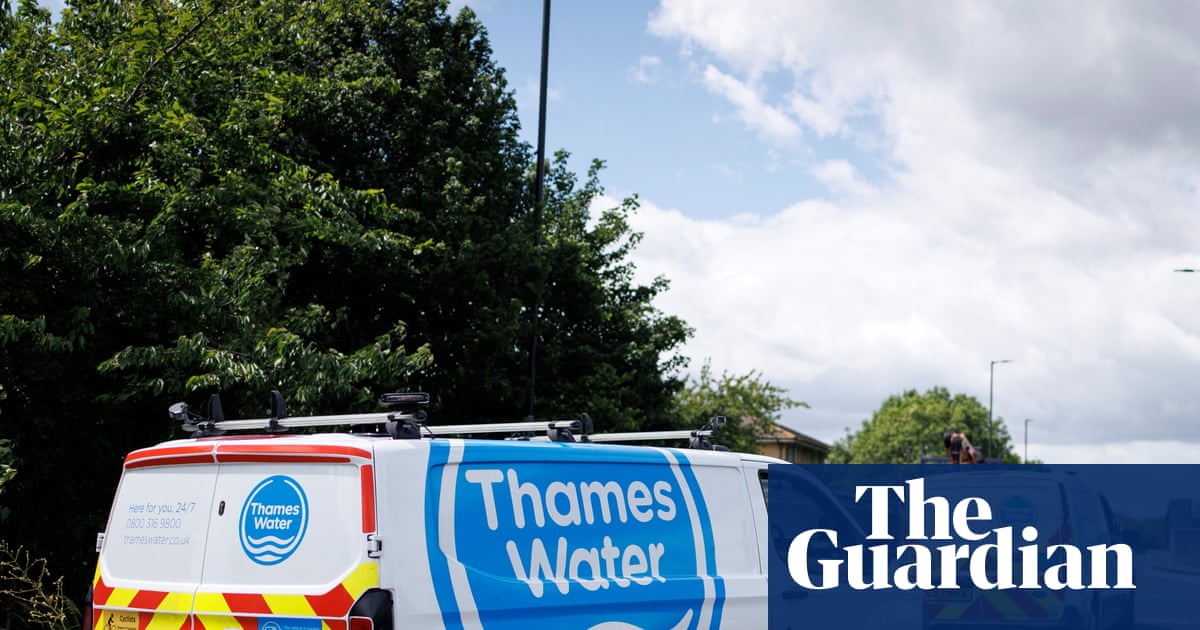
Thames Water has approached its creditors for an additional £2.4 billion in short-term funding, warning that the utility company is rapidly running out of cash as negotiations over its massive debt burden stall.
The UK's largest water supplier, which serves 16 million customers across London and the Thames valley, stated that it does not expect to complete its broader recapitalization process before exhausting its remaining funds by late 2026 or early 2027. Without a fresh cash injection, the embattled provider faces the imminent risk of collapse.
Mounting Financial Pressures and Debt
For several years, Thames Water has struggled under an overwhelming debt pile now estimated at approximately £20 billion. Previous shareholders have long since walked away, leaving the utility under the effective control of its creditors while various rescue packages are weighed.
In February of last year, creditors—collectively represented by a group of international hedge funds and institutional investors—extended a £3bn lifeline to keep operations running. However, that facility has already been heavily drawn down, leaving just enough liquidity to maintain basic operations while expensive infrastructure repairs and environmental upgrades continue.
The Rescue Plan and Regulatory Hurdles
Creditors have drafted detailed proposals to write off £9.6 billion in loans to stabilize the business. Yet, that plan relies heavily on regulatory approval from Ofwat to allow set penalties to be paid upfront under a specialized operating regime—a prospect that has faced political friction within government circles.
As discussions continue, the broader utility sector faces policy uncertainty amid shifting political leadership and ongoing debates over whether vital public infrastructure should remain under private management or return to public control.
Public frustration has intensified as customers confront rising bills meant to fund long-overdue infrastructure improvements. Critics argue that essential services should not be subjected to market vulnerabilities, noting that monopolies lack the competitive pressures that typically drive efficiency in standard commercial markets.
"Monopolies are one of the biggest no no's in capitalism. Even governments get involved in a private business becoming too monopoly like... Yet somehow everyone seems to be ok with water running a monopoly. No wonder they've let it go to ruin and debt, no competition is the biggest enemy of capitalism."
Others point to the fundamental mismatch between commercial profit motives and the steady, long-term capital requirements of essential public services.
"It's one of the things that angers me about people calling Public Services and the Civil Service unprofitable... they're not meant to make a profit they're there to make things work and good."
Looking Ahead
Thames Water maintains that it continues to work closely with stakeholders to secure a market-led resolution. Creditors are expected to vote on the latest restructuring proposals later this month, determining whether the utility can secure the breathing room it needs or if deeper structural changes to the UK water industry become inevitable.

