The Death of the 'Linear Career': What a Stand-Up Comic Can Teach Us About the Modern Workplace
There is an undeniable, quiet panic running through the professional world right now. You can feel it on LinkedIn, you can hear it in quiet coffee shop conversations, and you can certainly sense it in executive boardrooms. Between the meteoric rise of generative automation and an astonishing mismatch in the global labor force, the traditional corporate playbook hasn't just become outdated—it has effectively burned to the ground. Yet, ironically enough, the most profoundly practical framework for navigating this mess didn't come from a high-priced McKinsey consultant or a Silicon Valley disruptor. It came from a guy who used to deliver pizzas for a living.
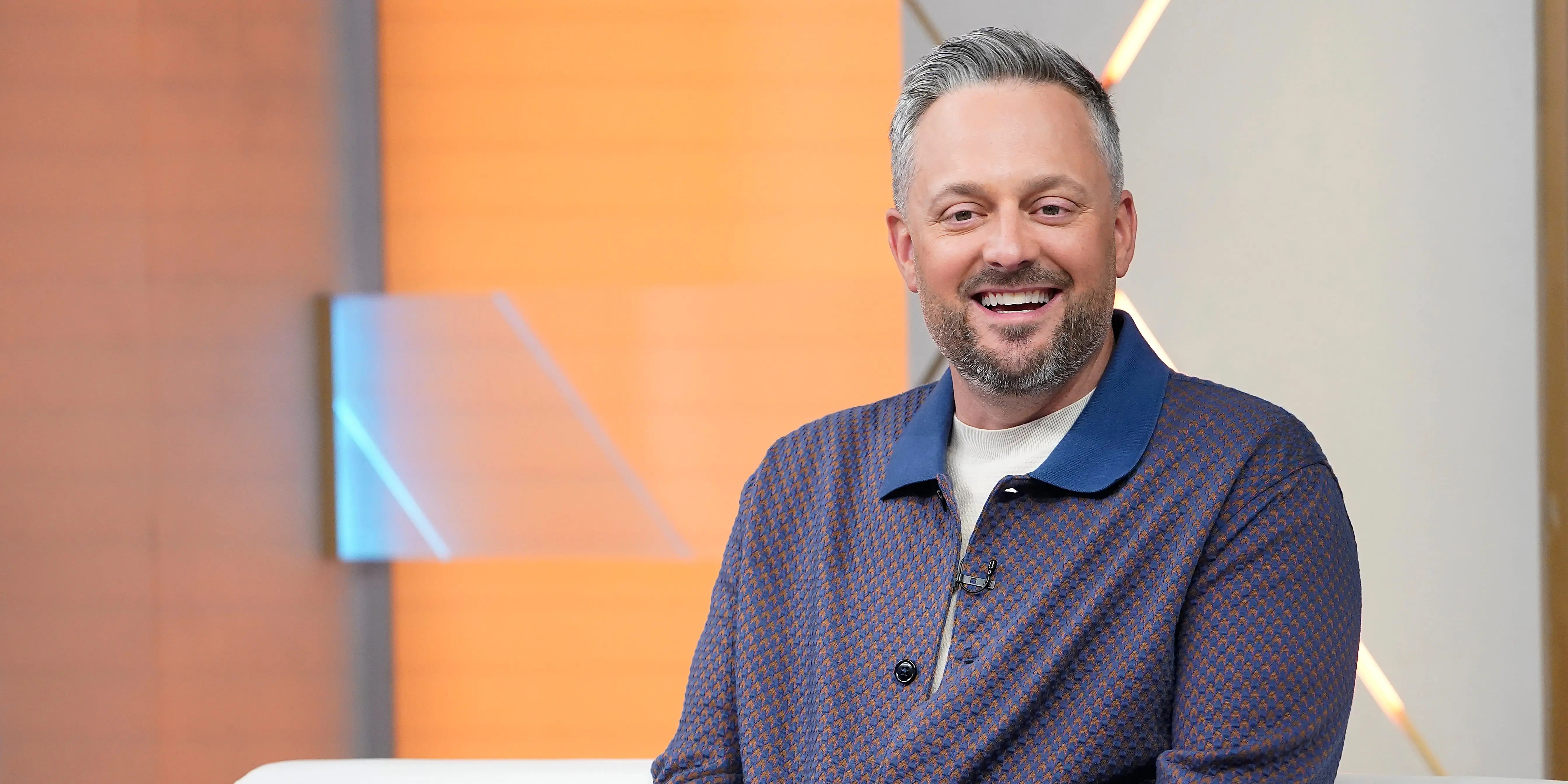
When stand-up comedian Nate Bargatze shared the stage with a handful of Fortune 500 chief executives at a recent industry event in Detroit, the crossover looked like a classic setup for a joke. You have C-suite leaders from automotive giants, utility powerhouses, and industrial conglomerates sitting alongside a guy known for deadpan observational humor. But if you take a step back and think about it, the underlying truth they landed on was virtually identical. The modern obsession with curating a hyper-specific, multi-year "dream career" from day one is a psychological trap—and breaking free from it might be the only way to survive the current economic shift.
The Fallacy of the Perfect Starting Line
From my perspective, one of the biggest disservices we do to young professionals is feeding them the narrative that their first job defines their destiny. We encourage people to hold out for the immaculate entry-level position that aligns perfectly with their degree, their personal brand, and their five-year plan. What many people don't realize is that this perfectionist mindset actively breeds paralysis.
Consider the mechanics of how real-world mobility actually functions. An individual eager to work in corporate data analysis might start out scanning items at a local retail storefront just to secure internal system access. To an outsider fixated on titles, that looks like a severe setback. Personally, I think it's a stroke of tactical brilliance. In my opinion, proximity to an organization always beats waiting on the sidelines for a ideal opening that may never materialize.
When you get inside the building—whether that building is a retail floor, a call center, or a shipping dock—two crucial transformations occur:
- You demystify the ecosystem: You gain unfiltered visibility into how operational value is actually created, rather than how management thinks it's created on a slide deck.
- You discover hidden affinities: You often realize that the role you fetishized from afar isn't actually what energizes you, opening doors to paths you never knew existed.
One thing that immediately stands out to me when examining successful leaders is how frequently their actual origins look like a random walk. Corporate titans who currently manage tens of thousands of employees frequently started on factory floors or in unrelated entry-level functions. They didn't calculate their way to the top with a grand master plan; they simply grabbed whatever door handle was unlocked and started climbing.
Unlikely Classrooms and the Mastery of Unglamorous Stages
What makes Bargatze's trajectory particularly fascinating to analyze is how closely his creative evolution mirrors resilient career construction. Early in his career, long before sold-out arena tours or prime-time television appearances, he took a gig performing stand-up comedy on a cruise ship. For a rising comedian, performing for captive cruise passengers who might rather be at the buffet isn't exactly the prestige gig. It's tough, unglamorous, and far removed from the trendy comedy clubs of New York or Los Angeles.
Yet, that unglamorous stage provided something vastly more valuable than prestige: reps. It offered an environment to test material, refine timing, and build an irreducible repertoire.
This raises a deeper question for today's knowledge workers: Are you willing to perform on the metaphorical cruise ship to build your core toolkit? In an era where everyone wants to be a strategist, a thought leader, or a founder overnight, there is a profound shortage of appreciation for the raw, repetitive execution that builds true competence.
A detail that I find especially interesting about Bargatze's philosophy is his concept of the "backstop." As he put it, once you have built a bulletproof hour of comedy material—or once you master the mechanical reality of how an intricate system is put together—you possess something permanently tangible. That knowledge becomes an intellectual asset that economic downturns, organizational restructuring, or algorithmic shifts cannot take away from you.
The Skilled-Trades Deficit and the Limits of Automation
If you take a look at the macro trends shaping the workforce today, this emphasis on tangible, foundational capability becomes even more urgent. We are currently living through a bizarre economic paradox. On one end of the spectrum, white-collar professionals are anxiously monitoring artificial intelligence updates, wondering if their analytical or administrative functions will be automated within five years. On the other end, industrial and infrastructure sectors are facing a staggering labor deficit—a reality where for every five skilled technicians who retire, only two are entering the pipeline to replace them.
What this really suggests is that our cultural definition of a "good career" has been deeply warped for a generation. We spent decades telling young people that success meant sitting in a cubicle writing reports, while tacitly devaluing the hands-on expertise required to keep physical infrastructure running. Now, the bill for that bias has come due.
In my opinion, the future belongs to those who possess foundational, non-commoditizable skills combined with adaptive intelligence. An algorithm can draft a memo or analyze a spreadsheet in seconds, but it cannot rewire a power grid, overhaul a complex thermal management system, or command the attention of a room filled with unpredictable human beings. The backstop isn't just about hard labor; it's about deep, practical mastery.
Embracing Chaos as a Career Strategy
Ultimately, if you take a step back and synthesize where the global labor market is heading, the obsession with structured career paths looks less like prudence and more like denial. The rate of technological and structural change is simply moving too fast for rigid plans to survive contact with reality.
From my perspective, the most effective modern career strategy isn't linear at all—it's iterative. It requires a willingness to:
- Take the unglamorous entry point: Stop judging an opportunity solely by its initial title or prestige, and start judging it by the access and visibility it provides.
- Focus relentlessly on the 'backstop': Prioritize acquiring hard, transferable skills over accumulating empty resume lines.
- Stay radically open to pivots: Recognize that your true calling might not be something you planned in college, but something you stumbled into while working on a problem you didn't expect to care about.
Personally, I think there is immense liberation in giving up the illusion of perfect control. The world doesn't care about your five-year plan, but it will always make room for people who show up, build real capabilities from the ground up, and know how to deliver when given a stage.